
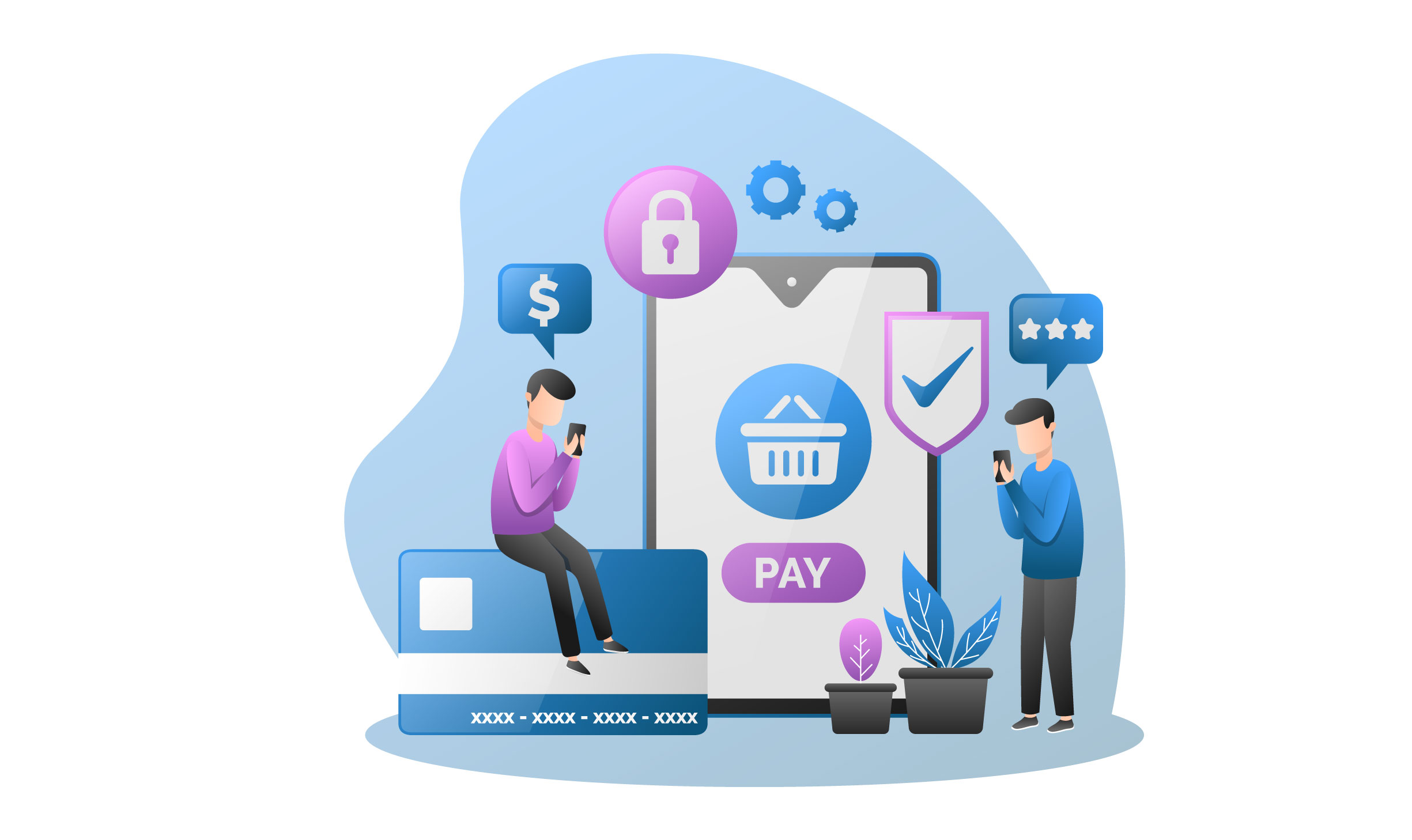
Rebuilding Digital Trust Through Secure Wallets ?
In today’s digital world, we’ve learned to accept uncertainty. We scrutinize emails, hesitate before clicking links, and second-guess website authenticity—all because the internet lacks built-in trust. But why should verifying identity be so difficult when the technology to solve this has existed for decades?
The answer lies in cryptographic signatures tied to secure hardware. Unlike passwords or SMS codes, which can be stolen, this approach binds digital interactions directly to verified devices—your phone’s security chip or a hardware wallet. The result? Fraud becomes exponentially harder.
The Wallet Revolution
Change is finally coming. Regulatory pressure is forcing tech giants to open access to secure hardware elements, paving the way for next-generation digital wallets. These won’t just store credit cards—they’ll safeguard everything from cryptocurrencies and CBDCs to digital identities and tokenized assets.
But security alone isn’t enough. The crypto world has shown the dangers of poorly designed self-custody—lost passwords and discarded hard drives have locked millions in digital assets forever. True adoption requires security that’s both robust and intuitive.
Many payment providers with a vision combine military-grade cryptography with seamless user experience because digital trust should be invisible, not a burden.
The tools exist. The infrastructure is emerging. Now, we must choose: Will we keep accepting vulnerability, or finally embrace a web where trust is built-in?
The shift starts today. Are you ready?
So… Is Search Dead?
Absolutely not. Search just got a promotion (or a demotion, depending on how you look at it).
Search used to be the creator of demand. Now, it’s the converter of demand.
When discovery does its job, customers search for your brand name or that specific product feature they just saw. If you aren’t bidding on those defensive brand terms, you’re handing your own customers to your competitors.
Remember: Discovery plants the seed. Search reaps the harvest.
3 Actionable Shifts for Your E-commerce Team
If you want to win in this new landscape, here’s what needs to change in your strategy:
1. Break Down the Silos
Your content team, media buyer, and merchandiser need to talk to each other. Why? Because AI algorithms rank your product based on content quality, pricing, stock levels, and reviews—not just your bid. Your ad spend can’t fix a bad product page.
2. Unify Your Signal View
Stop looking at each platform’s dashboard in isolation. Start tracking your Brand Search Volume across all platforms. If your social campaigns are working, you’ll see a direct lift in branded search queries. That’s the halo effect of discovery.
3. Upgrade Your KPIs
Ditch the obsession with “last-click attribution.” Start measuring Incremental ROAS (iROAS) and the growth of your category ranking. You need to give credit to the touchpoints that created the demand, not just the one that closed the sale.
Bottom Line: Rethink Your Keyword Strategy
Today’s shoppers don’t search like robots; they search like humans who just saw a cool product. They’ll type things like “ergonomic chair for back pain” instead of just “office chair.”
Your keyword lists must expand to capture these natural language queries. Furthermore, defensive bidding on your own brand name is no longer optional—it’s survival.
The battle for e-commerce supremacy in 2026 is won or lost before the search button is clicked.
It’s time to stop being a traffic interceptor and start being a discovery guide. Are you ready?