
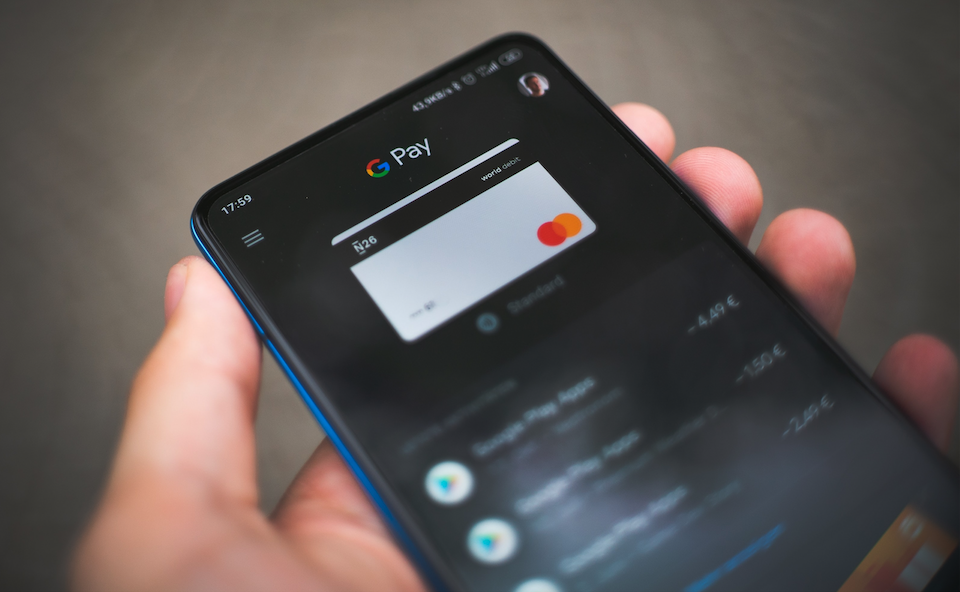
While the original 3-D Secure protocol was developed more than 15 years ago to mitigate fraud in ecommerce transactions, the acceleration of ecommerce in recent years calls for greater payment security as fraudsters also turn to digital. 3-D Secure 2.0 addresses the challenging and evolving payment security needs of all stakeholders by delivering an additional layer of security. The update enables the transmission of rich data during transactions, allowing additional data to be shared to the issuer by the merchant – including type of merchandise, shipping location and device type. With a simplified and more frictionless authentication, transactions can be approved with confidence, while at the same time providing an improved user experience. By minimising fraud, merchants and consumers can interact with assurance in the ecommerce environment.
What is 3-D Secure 2.0?
3-D Secure is a security protocol developed to authenticate ecommerce credit card transactions and cardholders. In 3-D Secure 2.0, issuers are able to authenticate cardholders through options including a one-time password (OTP) or biometric verification. When a payment transaction is initiated, generally a cardholder is redirected and prompted to validate the transaction – for example by submitting an OTP sent to their personal mobile number, before the order can be confirmed.
Benefits:
- Enhanced data exchange between merchant and issuer
- Enable risk-based decisions
- Higher approval rates
- Additional fraud protection
- Frictionless customer checkout experience
- Simplify authentication
Source: Visa Business News
So… Is Search Dead?
Absolutely not. Search just got a promotion (or a demotion, depending on how you look at it).
Search used to be the creator of demand. Now, it’s the converter of demand.
When discovery does its job, customers search for your brand name or that specific product feature they just saw. If you aren’t bidding on those defensive brand terms, you’re handing your own customers to your competitors.
Remember: Discovery plants the seed. Search reaps the harvest.
3 Actionable Shifts for Your E-commerce Team
If you want to win in this new landscape, here’s what needs to change in your strategy:
1. Break Down the Silos
Your content team, media buyer, and merchandiser need to talk to each other. Why? Because AI algorithms rank your product based on content quality, pricing, stock levels, and reviews—not just your bid. Your ad spend can’t fix a bad product page.
2. Unify Your Signal View
Stop looking at each platform’s dashboard in isolation. Start tracking your Brand Search Volume across all platforms. If your social campaigns are working, you’ll see a direct lift in branded search queries. That’s the halo effect of discovery.
3. Upgrade Your KPIs
Ditch the obsession with “last-click attribution.” Start measuring Incremental ROAS (iROAS) and the growth of your category ranking. You need to give credit to the touchpoints that created the demand, not just the one that closed the sale.
Bottom Line: Rethink Your Keyword Strategy
Today’s shoppers don’t search like robots; they search like humans who just saw a cool product. They’ll type things like “ergonomic chair for back pain” instead of just “office chair.”
Your keyword lists must expand to capture these natural language queries. Furthermore, defensive bidding on your own brand name is no longer optional—it’s survival.
The battle for e-commerce supremacy in 2026 is won or lost before the search button is clicked.
It’s time to stop being a traffic interceptor and start being a discovery guide. Are you ready?