
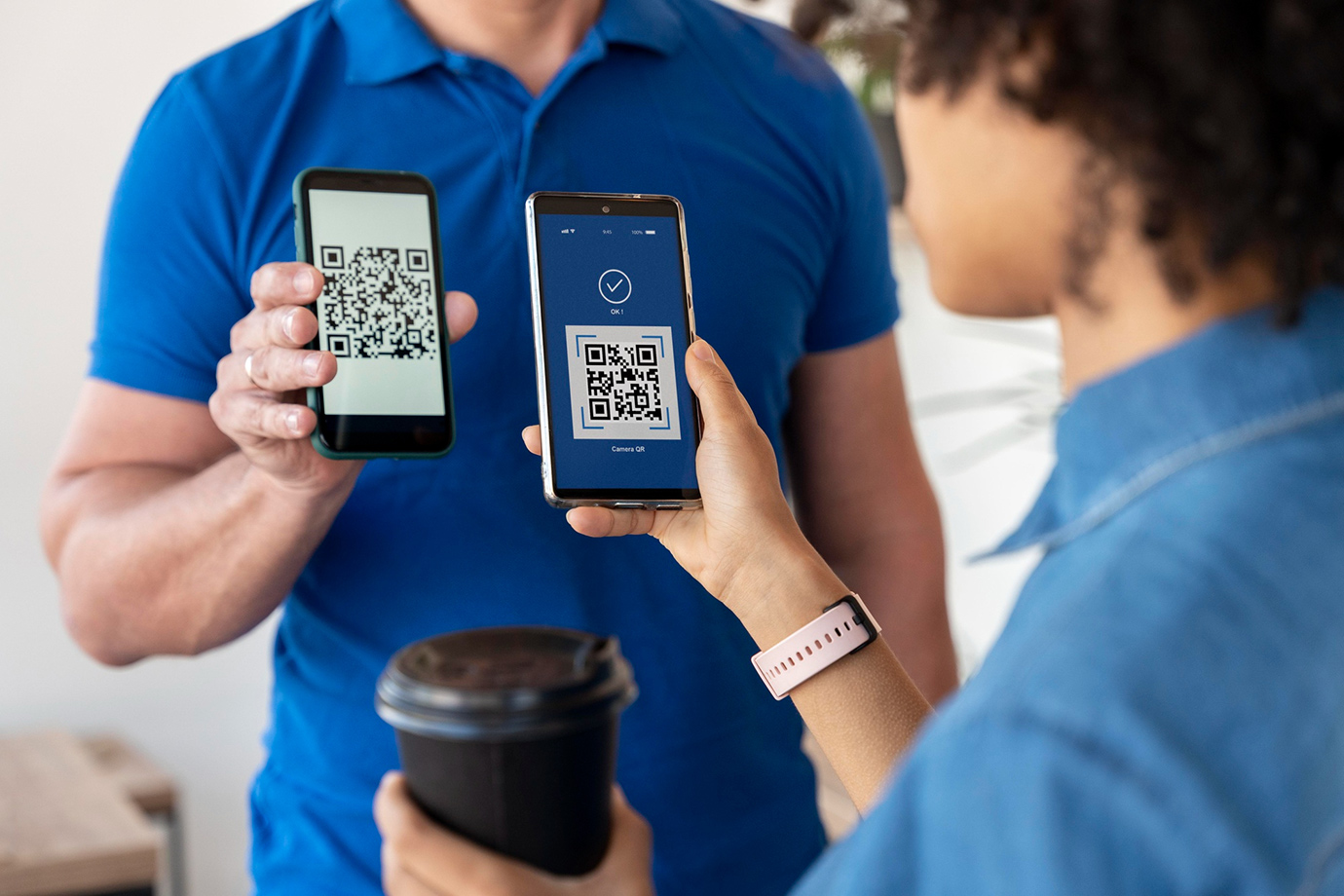
Real-time payments are no longer just a convenience—they’re becoming a fundamental part of daily transactions. In some markets, they’ve even turned into a verb (think “I’ll just real-time you the money”). The Asia-Pacific region is leading the charge in cross-border real-time payments, with initiatives like the Asian Payment Network paving the way.
Globally, we’re seeing exciting use cases emerge as more countries adopt real-time payment systems. These include:
- QR code-based merchant payments
- Government disbursements (like welfare or tax refunds)
- Request-to-Pay solutions for seamless bill payments, including scheduling future transactions
But beyond speed and convenience, how do real-time payments contribute to financial inclusion?
Bridging the Gap: Real-Time Payments and Financial Inclusion
Real-time payments are a game-changer for financial inclusion, particularly for women, younger individuals, and low-income populations. Research predicts that by 2028, millions of unbanked individuals worldwide will gain access to bank accounts thanks to these innovations.
Here’s why real-time payments make a difference:
✔ Better Liquidity Management – With instant transactions, people have a real-time view of their finances, eliminating the guesswork of pending transactions.
✔ Affordability – Lower transaction fees make financial services more accessible, benefiting both consumers and small businesses.
✔ Government Support – Many governments are actively promoting real-time payment schemes to boost economic growth and inclusion.
“Real-time payments significantly improve financial inclusion, especially for women, younger individuals, and low-income populations.”
Payments as a Key Customer Touchpoint
Payments are one of the most critical interactions between businesses and customers. While the process can be complex behind the scenes, the best payment experiences feel effortless.
Consumers don’t get excited about making a payment—they care about the experience it enables. Whether it’s a seamless checkout, instant money transfers, or automated bill payments, speed and simplicity matter.
The Role of Modern Payment Solutions
Looking ahead, modern payment hubs will be crucial in helping FIs:
🚀 Evolve their payment infrastructures
💡 Unlock new revenue streams
🔒 Maintain a stable, reliable payment ecosystem
Final Thoughts
Real-time payments aren’t just about speed—they’re transforming how people interact with money, opening doors for the unbanked, and reshaping customer expectations. As adoption grows, businesses and FIs must stay ahead by embracing innovative, cloud-powered solutions that deliver both efficiency and exceptional user experiences.