
fbpx
Tap to Pay

In an era where convenience and immediacy reign supreme, the lines between our personal devices and professional tools are becoming beautifully blurred. One of the most compelling examples of this convergence is the quiet rise of a feature that transforms a ubiquitous object—the iPhone—into a powerful engine for commerce. Welcome to the world of Tap to Pay on iPhone.

This isn’t just a new way to pay; it’s a fundamental shift in how we think about transactions, business agility, and the very hardware required to start selling.

The Trend: The Disappearing Payment Terminal
Contactless payments have moved from novelty to norm. With a significant majority of credit and debit cards in markets like the US now equipped for tap-to-pay, consumer readiness is at an all-time high. The traditional response required a dedicated piece of hardware: the POS terminal. The emerging trend, however, is software-defined commerce.

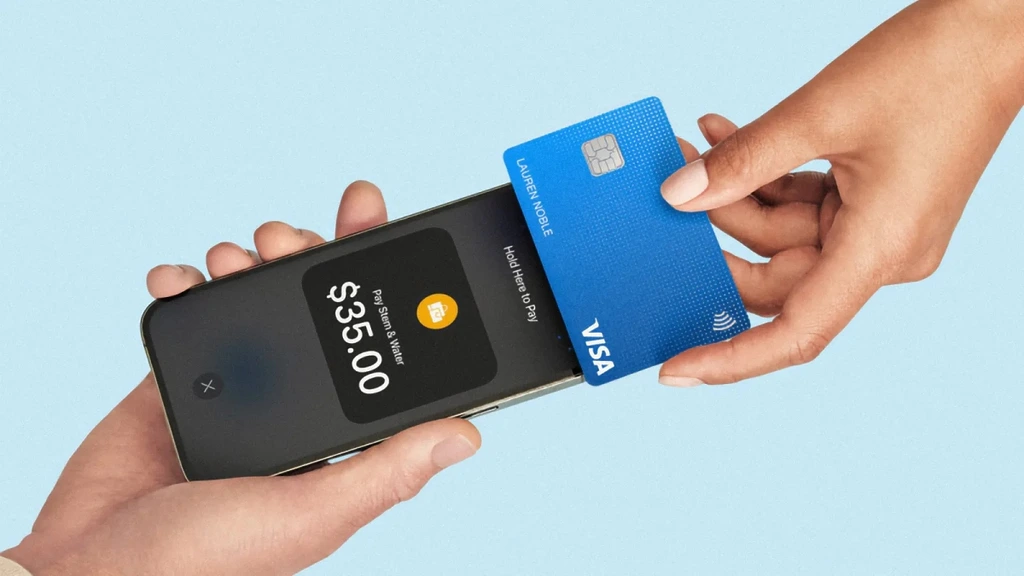
Apple’s Tap to Pay feature epitomizes this shift. By leveraging the secure NFC chip already embedded in every modern iPhone, it eliminates the need for additional hardware. The barrier to accepting electronic payments isn’t just lowered—it’s virtually removed, placing professional-grade payment processing directly into the palms of business owners.

Beyond the Tap: A Deeper Look at the Capabilities
While the headline benefit is clear (“no extra hardware needed”), the true ingenuity of Tap to Pay lies in its nuanced design, which embeds deeper business logic into a simple tap.

1. Democratizing Commerce
For the solopreneur, the weekend market vendor, the freelance consultant, or the pop-up shop, this feature is a game-changer. It dramatically reduces the initial cost and complexity of accepting card payments, allowing creative and commercial ideas to be tested and scaled with unprecedented ease. The tool to start a business is now the same tool we use to message a friend.

2. An Integrated CRM Touchpoint
Perhaps its most underrated feature is the ability to securely read (not charge) a customer’s payment card with their permission. This enables seamless card-on-file setups for subscriptions or recurring services, such as monthly memberships. Furthermore, it can integrate with loyalty passes and coupons in Apple Wallet, transforming a one-time payment into a meaningful customer relationship interaction. The transaction becomes the starting point for retention, not the end of the conversation.

3. Building Trust Through Experience
The payment experience is polished and professional. The customer’s screen clearly displays your business name and the transaction amount, fostering brand legitimacy. Crucially, every transaction is encrypted and processed using the same Secure Element technology that powers Apple Pay. This provides small, independent businesses with a level of perceived security and trust that was once the exclusive domain of large chains.
HEROIMAGE Apple US 01183 1 1

Real-World Applications: Where This Technology Thrives
The Creative Economy: Artists at craft fairs and makers at local markets can travel light, managing all sales from a single device.

Mobile Services: Personal trainers, repair technicians, or beauticians can securely collect payment on the spot, immediately after service is rendered.

Hospitality & Retail: Coffee shops can take orders in parklet seating; boutique stores can handle line busting during busy hours.

Reading and Issuing Membership Cards

If customers store their membership cards, discount cards, or loyalty cards in Apple Wallet, merchants can directly read this information through Tap to Pay. At the same time, merchants can also send invitations to join their membership programs to Apple Pay users, thereby enhancing customer loyalty.

How to Get Started?

If you are already a merchant, you need to find a payment application that has integrated this feature and complete the setup through a supported Payment Service Provider (PSP). The PSP will handle all necessary certifications, security measures, and transaction processing, allowing you to focus on running your business. Currently, there are only a few PSPs in Hong Kong that support this new service, but the number is expected to increase gradually.

Whether you are a startup entrepreneur or an established brick-and-mortar business looking to simplify your payment process, the Tap to Pay feature on the iPhone represents another leap forward in mobile payment technology. It not only lowers the technical barriers but also seamlessly integrates contactless payments into our daily lives and commercial environments.

While it may not replace every high-volume POS system overnight, it has decisively opened a new door. It invites us to imagine a future where starting, running, and growing a business is limited only by imagination and effort, not by access to specialized hardware. The point of sale is now wherever you are.

Tap to Pay

In an era where convenience and immediacy reign supreme, the lines between our personal devices and professional tools are becoming beautifully blurred. One of the most compelling examples of this convergence is the quiet rise of a feature that transforms a ubiquitous object—the iPhone—into a powerful engine for commerce. Welcome to the world of Tap to Pay on iPhone.

This isn’t just a new way to pay; it’s a fundamental shift in how we think about transactions, business agility, and the very hardware required to start selling.

The Trend: The Disappearing Payment Terminal
Contactless payments have moved from novelty to norm. With a significant majority of credit and debit cards in markets like the US now equipped for tap-to-pay, consumer readiness is at an all-time high. The traditional response required a dedicated piece of hardware: the POS terminal. The emerging trend, however, is software-defined commerce.

Apple’s Tap to Pay feature epitomizes this shift. By leveraging the secure NFC chip already embedded in every modern iPhone, it eliminates the need for additional hardware. The barrier to accepting electronic payments isn’t just lowered—it’s virtually removed, placing professional-grade payment processing directly into the palms of business owners.

Beyond the Tap: A Deeper Look at the Capabilities
While the headline benefit is clear (“no extra hardware needed”), the true ingenuity of Tap to Pay lies in its nuanced design, which embeds deeper business logic into a simple tap.

1. Democratizing Commerce
For the solopreneur, the weekend market vendor, the freelance consultant, or the pop-up shop, this feature is a game-changer. It dramatically reduces the initial cost and complexity of accepting card payments, allowing creative and commercial ideas to be tested and scaled with unprecedented ease. The tool to start a business is now the same tool we use to message a friend.

2. An Integrated CRM Touchpoint
Perhaps its most underrated feature is the ability to securely read (not charge) a customer’s payment card with their permission. This enables seamless card-on-file setups for subscriptions or recurring services, such as monthly memberships. Furthermore, it can integrate with loyalty passes and coupons in Apple Wallet, transforming a one-time payment into a meaningful customer relationship interaction. The transaction becomes the starting point for retention, not the end of the conversation.

3. Building Trust Through Experience
The payment experience is polished and professional. The customer’s screen clearly displays your business name and the transaction amount, fostering brand legitimacy. Crucially, every transaction is encrypted and processed using the same Secure Element technology that powers Apple Pay. This provides small, independent businesses with a level of perceived security and trust that was once the exclusive domain of large chains.

HEROIMAGE Apple US 01183 1 1

Real-World Applications: Where This Technology Thrives
The Creative Economy: Artists at craft fairs and makers at local markets can travel light, managing all sales from a single device.

Mobile Services: Personal trainers, repair technicians, or beauticians can securely collect payment on the spot, immediately after service is rendered.

Hospitality & Retail: Coffee shops can take orders in parklet seating; boutique stores can handle line busting during busy hours.

Reading and Issuing Membership Cards

If customers store their membership cards, discount cards, or loyalty cards in Apple Wallet, merchants can directly read this information through Tap to Pay. At the same time, merchants can also send invitations to join their membership programs to Apple Pay users, thereby enhancing customer loyalty.

How to Get Started?

If you are already a merchant, you need to find a payment application that has integrated this feature and complete the setup through a supported Payment Service Provider (PSP). The PSP will handle all necessary certifications, security measures, and transaction processing, allowing you to focus on running your business. Currently, there are only a few PSPs in Hong Kong that support this new service, but the number is expected to increase gradually.

Whether you are a startup entrepreneur or an established brick-and-mortar business looking to simplify your payment process, the Tap to Pay feature on the iPhone represents another leap forward in mobile payment technology. It not only lowers the technical barriers but also seamlessly integrates contactless payments into our daily lives and commercial environments.

While it may not replace every high-volume POS system overnight, it has decisively opened a new door. It invites us to imagine a future where starting, running, and growing a business is limited only by imagination and effort, not by access to specialized hardware. The point of sale is now wherever you are.